Agricultural Cooperatives
Join or form a cooperative to unlock better prices, training, credit, and government programs.
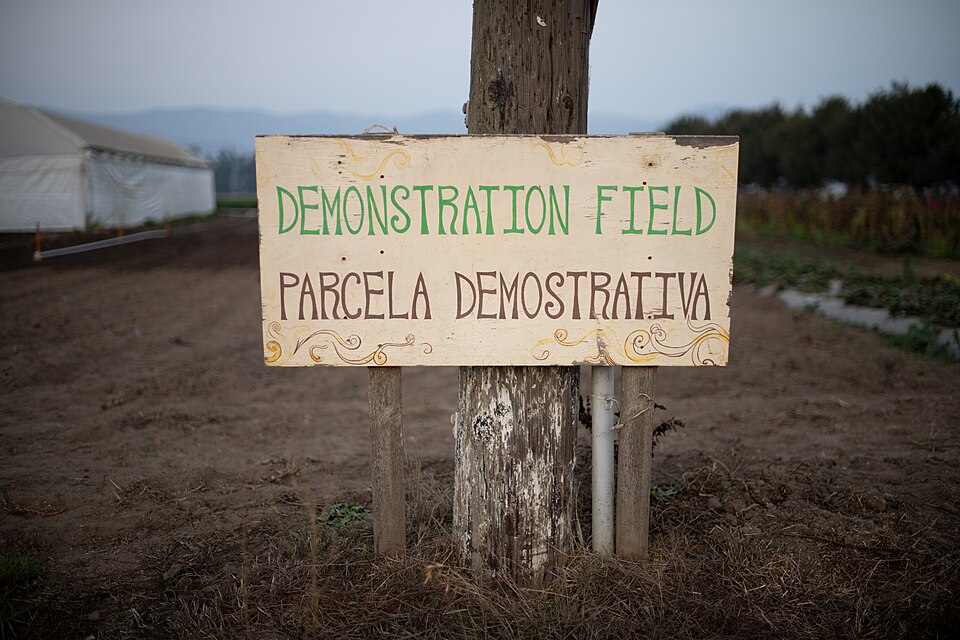 Farmers working together — Photo: Wikimedia USDA PD
🤝 Why Join a Cooperative?
Cooperatives are groups of farmers who work together for mutual benefit. In Region 7, cooperatives are the fastest way to access government programs and get better prices for inputs and products.
💰 Bulk Buying Power
Cooperatives buy seeds, fertilizer, and feed in bulk — getting 15-30% lower prices than individual farmers. A cooperative of 100 members can negotiate directly with suppliers.
🏦 Access to Credit
Cooperative banks offer the lowest interest rates (1-2%) in the country. As a member, you can borrow based on your share capital. No collateral often needed for small loans.
📈 Collective Marketing
Sell as a group to get 10-20% better prices. Cooperatives can negotiate with millers, traders, and restaurants. Some run their own trading posts.
📚 Training & Support
Cooperatives get priority access to free ATI training, DA programs, and technical assistance. Many cooperatives organize their own training sessions.
🛡️ Insurance Access
PCIC crop and livestock insurance is easier to access through cooperatives. Group enrollment simplifies paperwork and reduces processing time.
🤝 Social Support
Emergency funds, scholarship programs for members' children, death benefits, and community projects. Cooperatives care for members beyond farming.
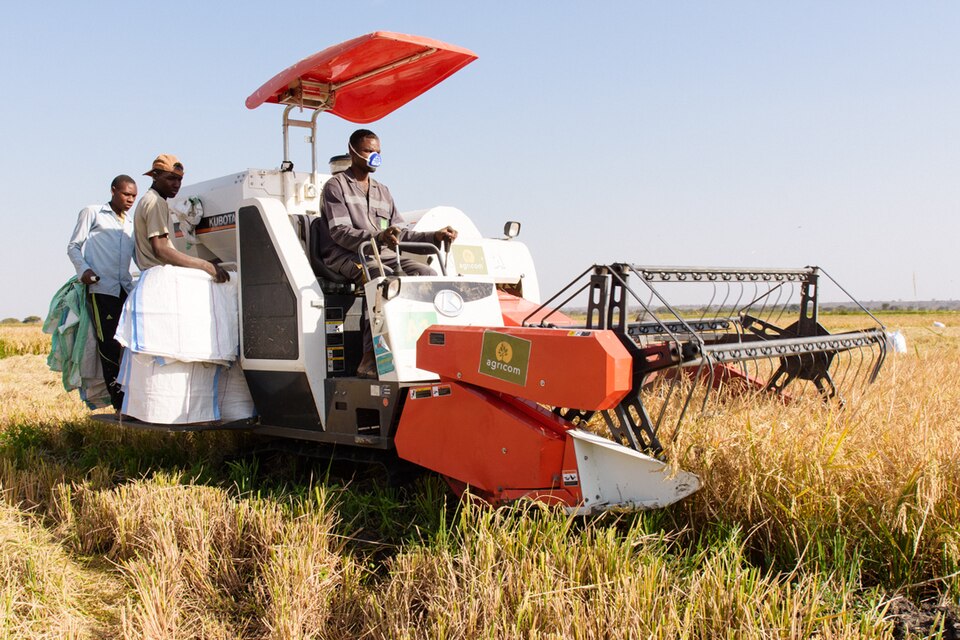 Cooperative harvesting — Photo: Wikimedia CC BY-SA 4.0
How to Join a Cooperative
Joining is simple. Here's the step-by-step process.
📋 Step-by-Step Guide
Step 1: Find a Cooperative
Contact your Municipal Agriculture Office or CDA Region 7: (032) 253-4567. Ask for a list of registered cooperatives in your area. Visit 2-3 to compare.
Step 2: Attend an Orientation
Most cooperatives hold monthly meetings. Attend one to learn about: membership fees, benefits, rules, and upcoming activities. Ask questions!
Step 3: Fill Out Application
Complete the membership application form. Requirements: valid ID, proof of residence, and completed form. Some cooperatives require a recommendation from an existing member.
Step 4: Pay Share Capital
Pay your share capital: typically ₱500-2,000 (one-time). This is your ownership stake. It earns dividends and can be withdrawn when you leave.
Step 5: Attend General Assembly
Attend the next general assembly (usually annual). Vote on officers, approve budgets, and participate in decisions. Your voice matters!
Step 6: Start Using Benefits
After 3-6 months of membership, you can: apply for loans, access bulk buying, join training programs, and enroll in PCIC insurance.
How to Form a Cooperative
Can't find a cooperative nearby? Start your own! You need at least 15 members.
📋 Requirements
Minimum Members
15 members (for primary cooperative). All must be Filipino citizens, at least 18 years old, and engaged in agriculture or related activities.
Documents Needed
- Articles of Cooperation
- By-Laws
- General Information Sheet
- Membership application forms
- Board resolution authorizing registration
- Treasurer's affidavit of capital subscription
Capital Requirements
Minimum paid-up capital: ₱15,000 (for cooperatives with <100 members)
Share capital per member: ₱100-2,000 (varies by cooperative)
📝 Registration Steps
Step-by-Step
- Organize: Gather at least 15 interested farmers
- Train: Attend CDA cooperative formation seminar (free)
- Draft: Prepare Articles of Cooperation and By-Laws (CDA provides templates)
- Elect: Choose interim officers (President, VP, Secretary, Treasurer)
- Submit: File documents with CDA Regional Office 7
- Approval: CDA reviews and registers (2-4 weeks)
- Certificate: Receive Certificate of Registration
- Operate: Begin cooperative operations!
💡 Tips for Success
Start Small
Begin with a simple activity: bulk buying of fertilizer or collective selling of corn. Build trust and experience before expanding.
Choose Good Leaders
Elect officers who are: honest, literate, committed, and respected in the community. Leadership makes or breaks a cooperative.
Keep Records
Maintain proper books: member ledger, financial statements, meeting minutes. This is required by CDA and builds trust.
Get Training
Attend CDA management seminars. ATI offers cooperative leadership training. Good management = successful cooperative.
CDA Registration Guide
The Cooperative Development Authority (CDA) registers and regulates all cooperatives in the Philippines.
📋 CDA Registration Checklist
| Requirement | Details | Status |
|---|---|---|
| Minimum 15 members | All Filipino, 18+ years old | ☐ |
| Articles of Cooperation | CDA template available | ☐ |
| By-Laws | CDA template available | ☐ |
| General Information Sheet | Officers, members, address | ☐ |
| Treasurer's Affidavit | Capital subscription proof | ☐ |
| Board Resolution | Authorizing registration | ☐ |
| Registration Fee | ₱1,000-3,000 (based on capital) | ☐ |
| Annual Report Fee | ₱500-1,500/year | ☐ |
Contact CDA Region 7: (032) 253-4567 | Email: cda_region7@yahoo.com | Office: Cebu City
 Cooperative marketing — Photo: Wikimedia USDA PD
Types of Agricultural Cooperatives
🌾 Agricultural Cooperative
Most common type. Engages in crop production, livestock raising, or both.
Activities
- Collective farming of rice, corn, vegetables
- Livestock raising (cattle, goats, poultry)
- Fishpond operations
- Supply and marketing of farm inputs/products
🛒 Marketing Cooperative
Focuses on selling members' products at better prices.
Activities
- Collective selling to traders/millers
- Operating trading posts
- Direct-to-consumer sales
- Processing and value addition
🏦 Credit Cooperative
Provides savings and loan services to members.
Activities
- Savings collection
- Low-interest loans (1-3%)
- Capital build-up programs
- Financial literacy training
🔧 Multi-purpose Cooperative
Combines farming, marketing, and credit in one organization.
Activities
- Everything above in one cooperative
- Most flexible and comprehensive
- Best for communities wanting full services
- Requires more management capacity
Cooperative Success Metrics
Track your cooperative's performance with these key indicators.
📊 Key Performance Indicators
| Indicator | Target | How to Measure |
|---|---|---|
| Member Growth | +10-20% per year | Total members at year-end |
| Share Capital | +15-25% per year | Total paid-up capital |
| Loan Repayment Rate | >95% | Loans repaid on time / Total loans |
| Patronage Refund | 20-30% of net income | Returned to members based on usage |
| Reserve Fund | 10-20% of net income | Retained earnings for growth |
| Training Hours | 40+ hours/member/year | Total training hours / members |
| Net Income | Positive for 3+ consecutive years | Total revenue - total expenses |
💡 Common Mistakes to Avoid
❌ Poor Record Keeping
Without proper records, you can't track performance or satisfy CDA requirements. Assign a trained bookkeeper from day one.
❌ Weak Leadership
Officers who don't attend meetings, make unilateral decisions, or lack integrity will destroy trust. Hold regular elections and accountability sessions.
❌ Over-Lending
Loans without proper screening lead to high delinquency. Implement credit scoring: check repayment capacity before approving loans.
❌ No Training
Untrained members and officers make poor decisions. Budget for annual training. Attend CDA seminars regularly.