🐛 Pest & Disease Guide
Pest & Disease Identification
Visual guide to common pests and diseases affecting crops and livestock in Region 7 — with symptoms, prevention, and treatment.
🔍 Quick Identification
Click a category below to find the pest or disease. Use the visual symptoms to match what you see in your field.
👁️ Visual Guide
How to Identify by Visual Symptoms
Match what you see in your field to find the right pest or disease.
🔴 Red/Brown Patches on Leaves
→ Rice Blast (diamond-shaped)
→ Corn Rust (circular pustules)
→ Early Blight (concentric rings)
🟡 Yellowing/Wilting Plants
→ BPH (bottom-up yellowing)
→ Stem Borer (dead heart)
→ FMD (weight loss)
🟢 Holes/Damage on Leaves
→ Fall Armyworm (large holes)
→ Fruit Borer (bore holes)
→ Aphids (curled leaves)
🟣 Skin/Legion Symptoms (Livestock)
→ ASF (red skin patches)
→ FMD (mouth blisters)
→ HS (swollen jaw)
🌾 Rice
Rice Pests & Diseases
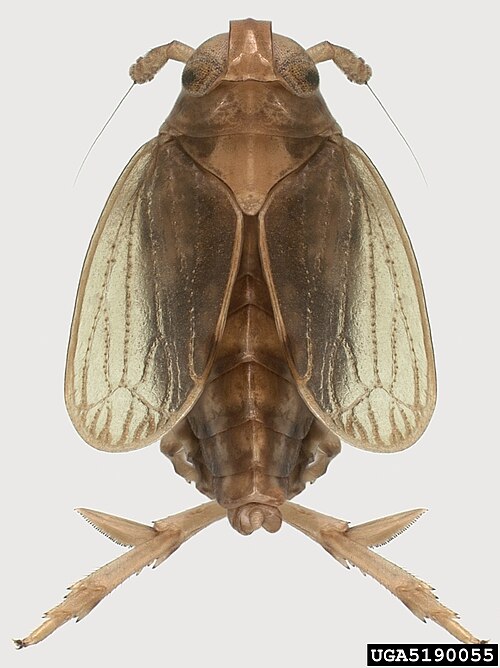 Photo: Wikimedia Commons CC BY 3.0
🐛
Brown Planthopper (BPH) High Risk
Nilaparvata lugens
Symptoms
- Small brown insects on stem base
- "Hopper burn" — plants turn brown and dry
- Yellowing of leaves from bottom up
- Viral disease transmission (RSV, GRV)
Prevention & Treatment
- Scout weekly — check 10 random spots
- Plant resistant varieties (NSIC Rc 480)
- Avoid excessive nitrogen fertilizer
- Spray: Pymetrozine if >10 hills infested
- Encourage natural predators (spiders, beetles)
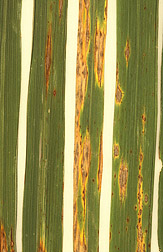 Photo: Wikimedia Commons CC BY-SA 3.0
🦠
Rice Blast High Risk
Magnaporthe oryzae
Symptoms
- Diamond-shaped lesions on leaves
- Grey center with brown borders
- Lesions on neck (neck blast) — most destructive
- Can destroy entire panicle
Prevention & Treatment
- Use resistant varieties (IR64, NSIC Rc 222)
- Avoid excessive nitrogen
- Maintain proper plant spacing
- Spray: Tricyclazole at first sign
- Remove infected plant debris after harvest
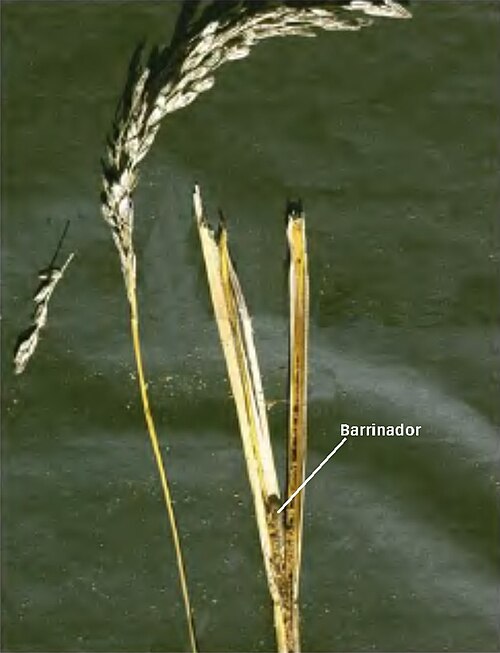 Photo: Wikimedia Commons CC BY-SA 4.0
🪱
Stem Borer Medium Risk
Chilo suppressalis
Symptoms
- "White heads" — empty panicles
- Bore holes in stem
- Dead heart — central shoot dies
- Larvae visible inside stem when split
Prevention & Treatment
- Use pheromone traps (10/ha)
- Release Trichogramma parasites
- Remove stubble after harvest
- Plant early to avoid peak population
- Spray: Chlorpyrifos at egg-hatching stage
🌽 Corn
Corn Pests & Diseases
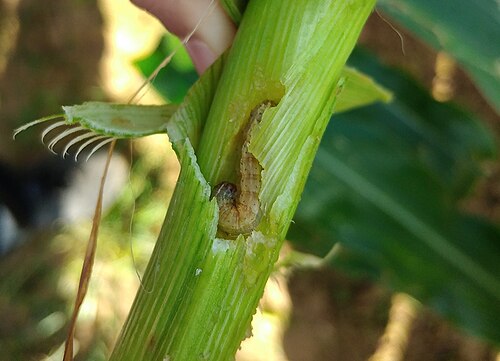 Photo: Wikimedia Commons CC BY-SA 4.0
🐛
Fall Armyworm (FAW) High Risk
Spodoptera frugiperda
Symptoms
- Large holes in leaves (window-pane damage)
- Feces (frass) in whorl
- Larvae feed on young leaves and whorl
- Can destroy entire plant if not controlled
Prevention & Treatment
- Scout weekly — check whorls
- Early planting to avoid peak season
- Spray: Bt-based pesticides (Delfin, DiPel)
- Intercrop with non-host plants
- Release Trichogramma parasites
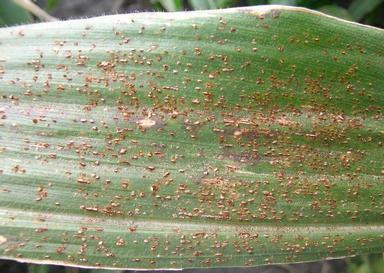 Photo: Wikimedia Commons CC BY-SA 4.0
🦠
Corn Rust Medium Risk
Puccinia sorghi
Symptoms
- Small, circular orange-brown pustules
- On both leaf surfaces
- Leaves turn yellow and dry prematurely
- Reduced grain filling and yield
Prevention & Treatment
- Plant resistant hybrids
- Proper spacing for air circulation
- Spray: Mancozeb if severe
- Remove infected debris after harvest
🥬 Vegetables
Vegetable Pests & Diseases
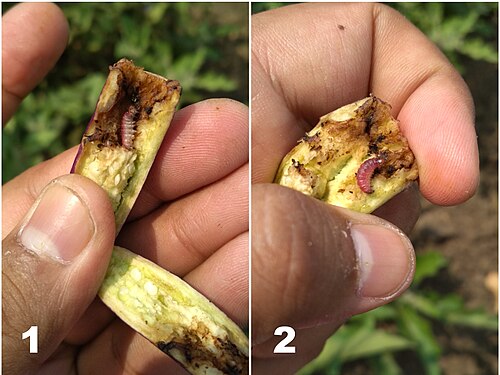 Photo: Wikimedia Commons CC BY 4.0
🐛
Fruit & Shoot Borer High Risk
Leucinodes orbonalis
Symptoms
- Bore holes in fruits (eggplant, tomato)
- Frass visible at entry points
- Shoots wilt and die
- Most destructive pest of eggplant
Prevention & Treatment
- Pick and destroy infested fruits
- Use pheromone traps
- Spray: Chlorantraniliprole
- Intercrop with repellent plants (marigold)
- Practice crop rotation
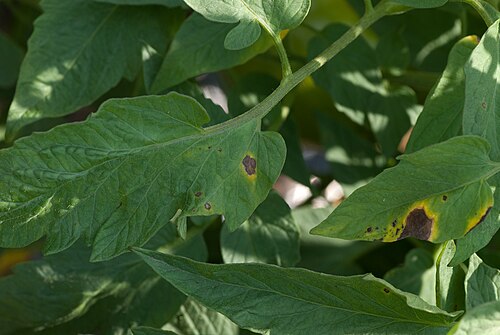 Photo: Wikimedia Commons CC BY 2.0
🦠
Early Blight Medium Risk
Alternaria solani
Symptoms
- Dark brown spots with concentric rings
- Lower leaves affected first
- Spots enlarge and leaves yellow
- Affects tomato, eggplant, potato
Prevention & Treatment
- Mulch to prevent soil splash
- Avoid overhead watering
- Remove infected leaves immediately
- Spray: Mancozeb or copper-based fungicide
- Rotate crops every season
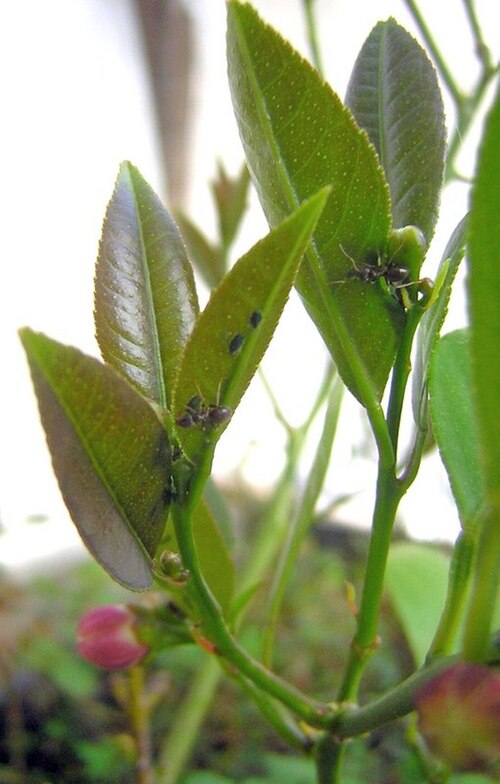 Photo: Wikimedia Commons CC BY-SA 2.0
🐛
Aphids Low-Medium
Aphis gossypii
Symptoms
- Small green/black insects on leaf undersides
- Curling and yellowing of leaves
- Sticky honeydew on leaves
- Transmits viral diseases
Prevention & Treatment
- Encourage ladybugs and lacewings
- Spray: Neem oil or insecticidal soap
- Remove weeds that harbor aphids
- Use reflective mulch to repel
- Strong spray: Imidacloprid if severe
🐄 Livestock
Livestock Diseases
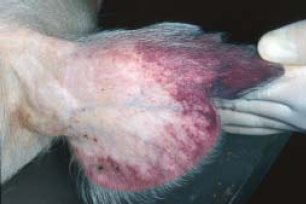 Photo: Wikimedia Commons PD-USGov
🐷
ASF (African Swine Fever) Critical
No vaccine, no treatment — 100% mortality
Symptoms
- High fever (>40°C)
- Loss of appetite
- Skin hemorrhages (red/bluish patches)
- Bloody diarrhea
- Sudden death — 100% mortality
Prevention
- Strict biosecurity — no visitors to piggery
- Disinfect all equipment and footwear
- Do NOT feed kitchen scraps
- Report to BAI: (02) 8928-1171
- No treatment available — prevention is critical
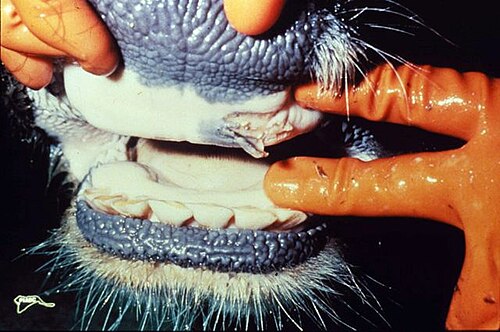 Photo: Wikimedia Commons PD-USGov
🐄
FMD (Foot-and-Mouth Disease) High Risk
Highly contagious — vaccination available
Symptoms
- Fever, loss of appetite
- Blisters on mouth, feet, teats
- Lameness
- Excessive drooling
- Weight loss, reduced milk production
Prevention & Treatment
- Annual vaccination (January campaign)
- Isolate sick animals immediately
- Disinfect premises
- Report to BAI
- Supportive care: soft food, clean water
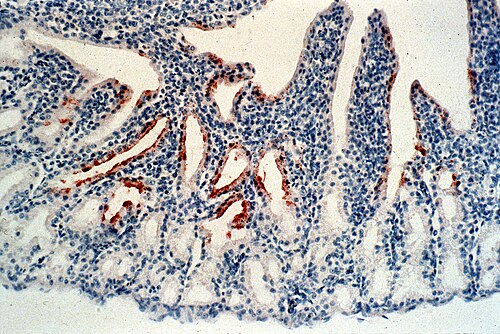 Photo: CSIRO ScienceImage CC BY 3.0
🐔
Newcastle Disease High Risk
Paramyxovirus — vaccination critical
Symptoms
- Respiratory distress (gasping, coughing)
- Greenish diarrhea
- Neck twisting, paralysis
- Sudden death in young birds
- Drop in egg production
Prevention & Treatment
- Vaccinate: La Sota strain at 1 month
- Booster every 3 months
- Backyard: spray or drinking water method
- Isolate sick birds
- No treatment — prevention only
🐄
Hemorrhagic Septicemia (HS) High Risk
Pasteurella multocida — wet season outbreaks
Symptoms
- High fever (40-42°C)
- Swelling under jaw (submandibular)
- Difficulty breathing
- Sudden death — often before symptoms appear
- Wet season outbreaks (Aug-Nov)
Prevention & Treatment
- Annual vaccination (June — before rainy season)
- Free via BAI program
- Report immediately if suspected
- Antibiotics may help if caught early
- Most deaths occur before treatment is possible
🛡️ IPM
Integrated Pest Management (IPM)
The smart approach: prevent first, then manage with minimal chemicals.
🛡️ IPM Principles for Region 7
1. Prevention First
- Use resistant varieties
- Practice crop rotation
- Maintain field sanitation
- Proper spacing for air circulation
- Balanced fertilization
2. Monitor & Scout
- Check fields weekly
- Use pheromone traps (10/ha)
- Record pest populations
- Know economic thresholds
- Scout at dawn or dusk
3. Biological Control
- Encourage natural predators
- Release Trichogramma for borers
- Use Bt-based pesticides
- Maintain habitat for beneficial insects
- Avoid broad-spectrum chemicals
4. Chemical Control (Last Resort)
- Use only when economic threshold reached
- Choose targeted, low-toxicity products
- Follow label instructions exactly
- Observe pre-harvest intervals
- Rotate chemical classes