Farm Business Planning
Transform your farming activity into a profitable business with proven planning tools and templates.
📊 Why Plan Your Farm Business?
Farming is a business. A simple plan helps you make better decisions, access credit, and measure success. Studies show farmers with written plans earn 30-50% more than those without.
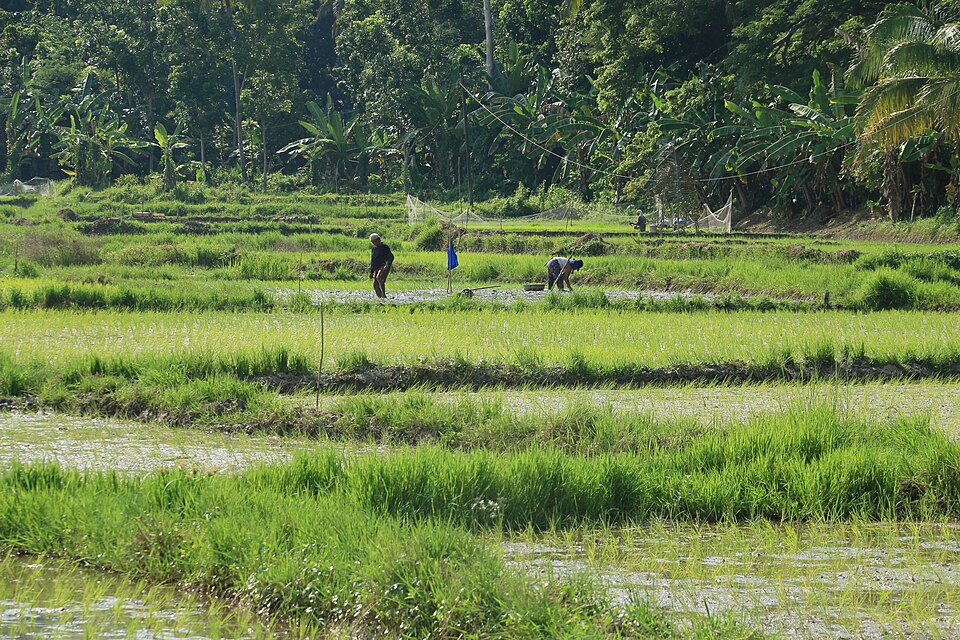 Assess your farm resources — Photo: Wikimedia CC BY-SA 4.0
Assess Your Resources
Know what you have before planning what to do.
🌍 Land Assessment
What to Check
- Size: How many hectares? Usable vs. total?
- Topography: Flat, rolling, or steep? Affects mechanization.
- Soil Type: Clay, loam, or sandy? Get free testing at DA Soils Lab.
- Water Access: Irrigated, rain-fed, or drought-prone?
- Location: Distance to market, road access, electricity.
Land Classification
Check with DAR if your land is agricultural, has leasehold rights, or is available for reform. This affects what programs you can access.
💰 Financial Assessment
Available Capital
- Savings: How much can you invest?
- Equipment: Do you own tools, a carabao, or machinery?
- Labor: Family members available? Can you hire?
- Credit Access: Cooperative member? Landbank eligible?
Typical Startup Costs
| Enterprise | Startup Cost |
|---|---|
| Rice (1 ha, irrigated) | ₱35,000-45,000 |
| Corn (1 ha) | ₱25,000-35,000 |
| Vegetables (0.5 ha) | ₱15,000-25,000 |
| Goats (3 does) | ₱15,000-25,000 |
| Native Chicken (50) | ₱5,000-10,000 |
| Cacao (300 trees) | ₱30,000-50,000 |
👥 Skills & Knowledge
Self-Assessment
- Experience: How many years farming? What crops?
- Training: Have you attended ATI courses?
- Network: Are you in a cooperative? Know other farmers?
- Market Knowledge: Who buys your products? At what price?
Free Training Available
Contact ATI-RTC 7: (032) 253-3491 for 40+ free courses including Farm Business Management, Organic Agriculture, and Leadership Development.
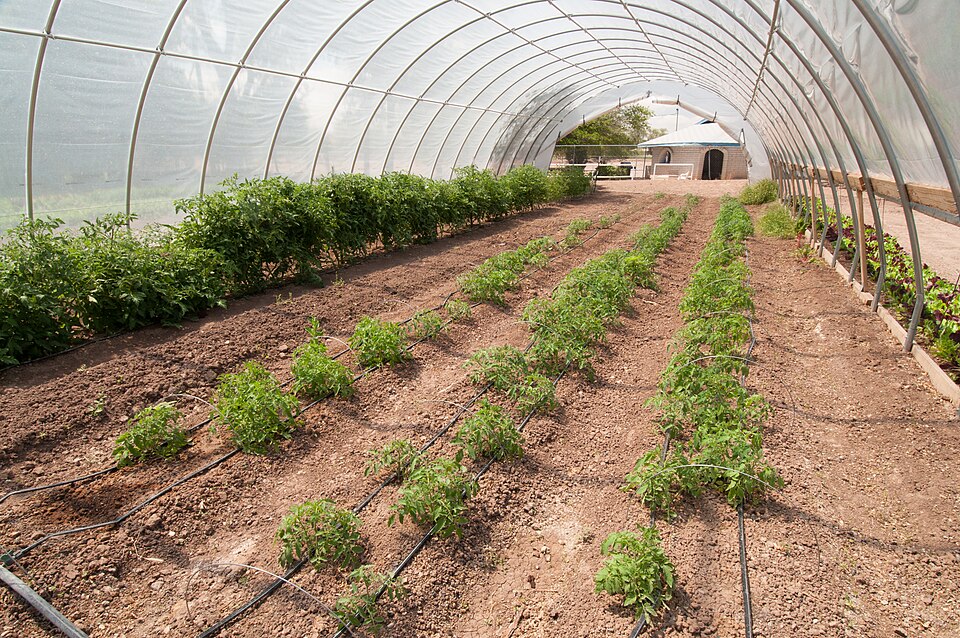 Analyze your farm business — Photo: Wikimedia USDA PD
Feasibility Study
Before investing, check if your idea will make money.
📊 Quick Feasibility Checklist
✅ Market Demand
Is there demand for your product? Check with NFA, local markets, or contact buyers in our Buyer Directory. Can you sell at a profitable price?
✅ Technical Viability
Does the crop/livestock grow well in your area? Check soil, climate, and water suitability. Consult your Municipal Agriculture Office for local recommendations.
✅ Financial Viability
Will revenue exceed costs? Use our Budget Calculator to estimate. Target: net income ≥ 30% of total cost.
✅ Risk Assessment
What could go wrong? Typhoons, pests, price drops. Do you have insurance (PCIC)? Can you absorb losses?
✅ Resource Availability
Do you have the land, labor, capital, and skills? Are inputs (seeds, feed, fertilizer) available locally?
✅ Time Commitment
How long until first harvest? Rice: 4-5 months. Cacao: 2.5-3 years. Can you sustain income during gestation?
📋 Sample Feasibility Analysis: Rice Farming (1 ha, irrigated)
| Item | Amount | Notes |
|---|---|---|
| Investment | ||
| Land preparation | ₱6,000 | Tractor rental, 2 passes |
| Seeds (NSIC Rc 222) | ₱2,000 | 2 bags (40 kg) |
| Fertilizer | ₱10,000 | Basal + 2 topdressings |
| Pesticide | ₱2,000 | IPM approach |
| Labor | ₱12,000 | Transplanting + management |
| Irrigation | ₱2,000 | Communal irrigation fee |
| Harvest & mill | ₱4,000 | Combine + drying |
| Total Cost | ₱38,000 | |
| Revenue | ||
| Yield | 3.5 tons | At 3.5 t/ha (achievable) |
| Price | ₱25/kg | Well-milled rice |
| Total Revenue | ₱87,500 | |
| Net Income | ₱49,500 | 130% ROI ✓ |
| Payback Period | 1 crop (5 months) | Excellent ✓ |
Use our Budget Calculator to run your own analysis with different scenarios.
Simple Business Plan Template
A 1-page business plan is enough to start. Banks and cooperatives accept this format.
📝 One-Page Farm Business Plan
1. Farm Overview
Name: ___________________
Location: ___________________
Size: _____ hectares
Owner: ___________________
RSBSA #: ___________________
2. Enterprise
Primary Activity: ☐ Rice ☐ Corn ☐ Coconut ☐ Vegetables ☐ Livestock ☐ Other: _____
Secondary Activity: ___________________
System: ☐ Conventional ☐ Organic ☐ Integrated
3. Market Strategy
Buyers: ☐ NFA ☐ Millers ☐ Market traders ☐ Direct to consumers ☐ Cooperatives
Target Price: ₱_____ / kg or unit
Volume: _____ kg or heads per crop/season
4. Financial Summary
| Item | Amount |
|---|---|
| Total Investment Needed | ₱_________ |
| Expected Revenue | ₱_________ |
| Expected Costs | ₱_________ |
| Expected Net Income | ₱_________ |
| ROI (%) | _________% |
5. Timeline
| Activity | Month |
|---|---|
| Land preparation | _____ |
| Planting | _____ |
| Management | _____ |
| Harvest | _____ |
| Marketing/Sales | _____ |
6. Risk Management
Insurance: ☐ PCIC (₱57/ha rice) ☐ Not yet insured
Backup Plan: ___________________
Emergency Contact: ___________________
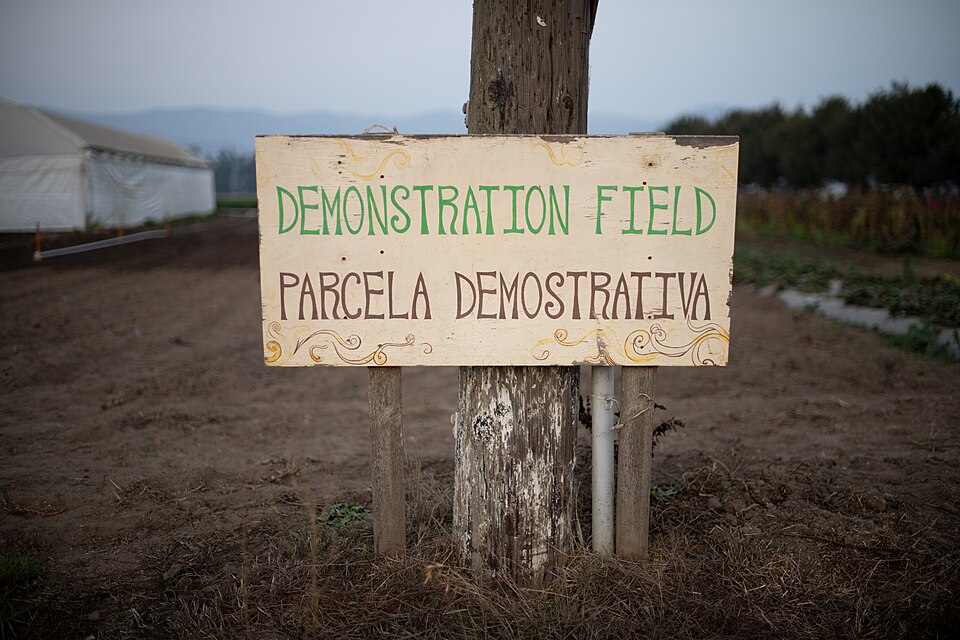 Agricultural credit & training — Photo: Wikimedia USDA PD
Accessing Credit
A written business plan makes loan approval much easier. Here are your options.
🏦 Landbank (LBP)
Rice/Corn Credit
- Interest: 2-3% per annum
- Loan Amount: Up to ₱500,000
- Requirements: RSBSA, business plan, collateral
- Repayment: After harvest
How to Apply
- Register with RSBSA (free)
- Prepare 1-page business plan
- Visit Landbank Branch
- Submit requirements
- Approval: 2-4 weeks
🤝 Cooperative Banks
Benefits
- Interest: 1-2% (lowest rates)
- Loan Amount: Based on share capital
- Requirements: Cooperative membership
- Approval: Faster, less paperwork
How to Join
- Contact CDA Region 7: (032) 253-4567
- Find a cooperative in your municipality
- Pay share capital (₱500-2,000)
- Attend general assembly
- Apply for loan after 3-6 months
🆘 DA-SURE Emergency Loans
Program Details
- Interest: 0% (zero interest)
- Loan Amount: Up to ₱25,000
- Eligibility: After typhoon/flood declaration
- Repayment: 6 months
How to Apply
- Wait for calamity declaration
- Visit Landbank or DBP
- Present RSBSA certificate
- Fill out loan application
- Receive funds: 1-2 weeks
🌾 RCEF Credit (Rice Only)
Program Details
- Interest: 0% for 3 years
- Loan Amount: Up to ₱150,000/ha
- Eligibility: RSBSA-registered rice farmers
- Use: Seeds, fertilizer, mechanization
Requirements
- RSBSA registration
- Valid ID
- Simple business plan
- Land area certification
- Apply via DA-RFO 7 or Landbank
Farm Record Keeping
Simple records help you make better decisions and access credit. Here's how to start.
📊 Simple Record-Keeping Template
What to Record
Daily: Labor hours, weather, tasks done
Weekly: Inputs used (seeds, fertilizer, pesticide), expenses
Monthly: Income received, total expenses
Per Crop: Yield, total cost, revenue, net income
Sample Daily Log
| Date | Activity | Cost |
|---|---|---|
| May 1 | Plowing (2 passes) | ₱3,000 |
| May 5 | Seeds purchased | ₱2,000 |
| May 8 | Fertilizer (basal) | ₱5,000 |
| May 10 | Transplanting labor | ₱4,000 |
| May 15 | Pesticide spray | ₱800 |
Per-Crop Summary
| Item | Amount |
|---|---|
| Crop/Variety | Rice (IR64) |
| Area | 1 hectare |
| Planting Date | May 10, 2026 |
| Harvest Date | Oct 15, 2026 |
| Total Cost | ₱38,000 |
| Yield | 3.5 tons (3,500 kg) |
| Price/kg | ₱25 |
| Revenue | ₱87,500 |
| Net Income | ₱49,500 |
Digital Tools
Free apps: FarmLogs, AgriApp PH, or Google Sheets
Simple option: Notebook or phone notes
Key: Be consistent. Record every expense, no matter how small.
Why Records Matter
- Know your actual cost of production
- Identify where you're losing money
- Required for loan applications
- Track progress over time
- Make data-driven decisions